Blog

  • PsynergyHealth Is Taking AI Beyond the Tool — and Owning the Outcome

    PsynergyHealth Is Taking AI Beyond the Tool — and Owning the Outcome

    By combining AI-native technology with on-demand clinical services, PsynergyHealth is rethinking how health systems expand capacity, support clinicians and deliver care.

    Healthcare has no shortage of AI tools. But what happens when AI becomes part of the actual delivery of care — and the company providing it takes responsibility for the outcome?

    That’s the model PsynergyHealth is building.

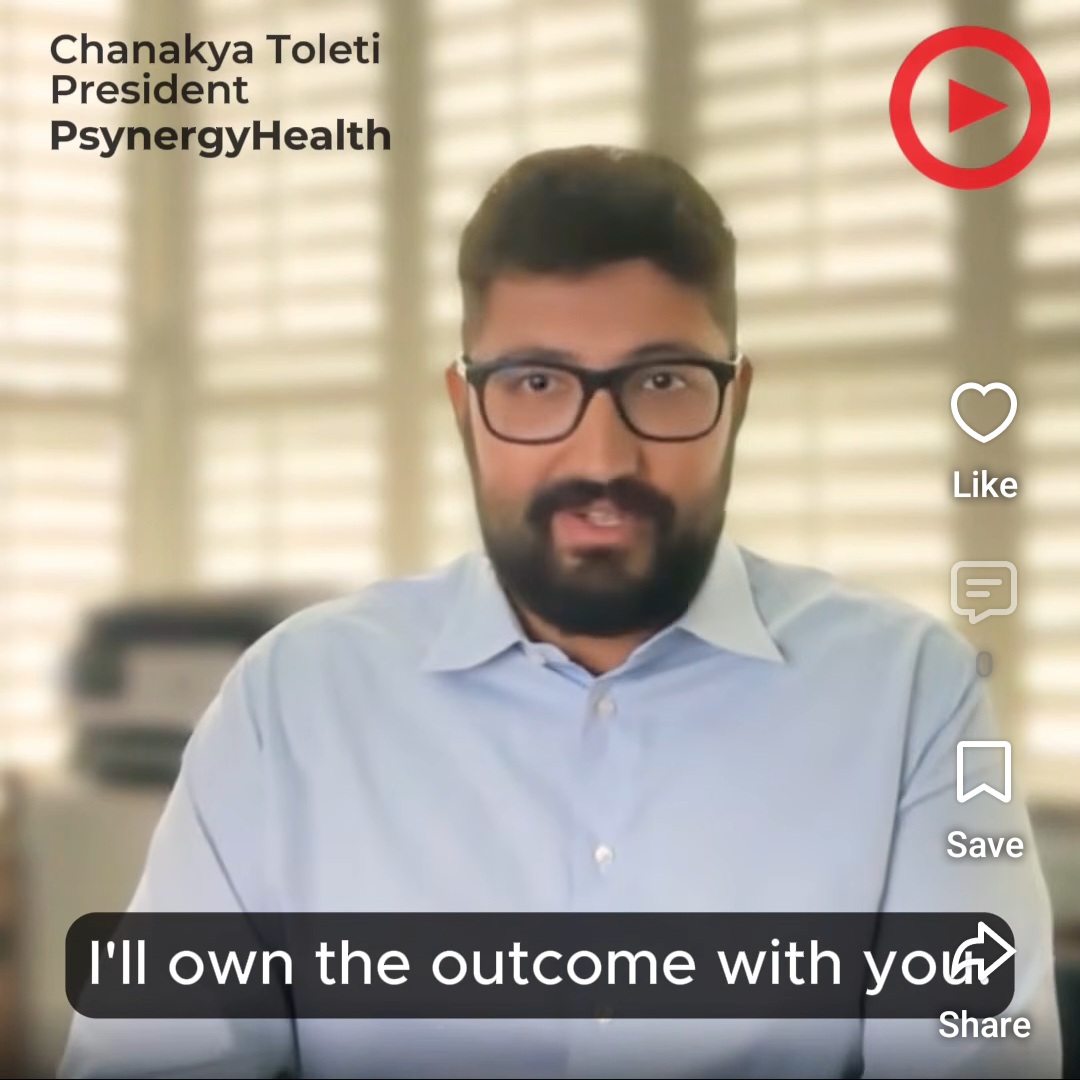
    In this HITshow conversation, Chanakya Denduluri explains the idea behind AI-native clinical services: combining intelligent technology, clinical workflows and an on-demand clinical workforce to give health systems additional capacity when and where they need it.

    Rather than simply providing another platform for clinicians to use, PsynergyHealth is focused on delivering the service itself — helping health systems address workforce constraints, extend access and manage care across the patient journey.

    The distinction is captured in a phrase that came up repeatedly in our conversations: “owning the outcome.”

    That shifts the discussion beyond whether AI can automate another task. The bigger question becomes whether AI-enabled clinical services can help health systems fundamentally change how care is delivered.

  • Can AI Agents Help Get Therapies to Patients Faster?

    Can AI Agents Help Get Therapies to Patients Faster?

    Medable’s Pam Tenaerts explains how decentralized technologies and AI agents can cut clinical trial bottlenecks from days to hours.

    Clinical trials generate enormous amounts of data—but the people running them can spend an extraordinary amount of time simply finding, connecting and making sense of that information.

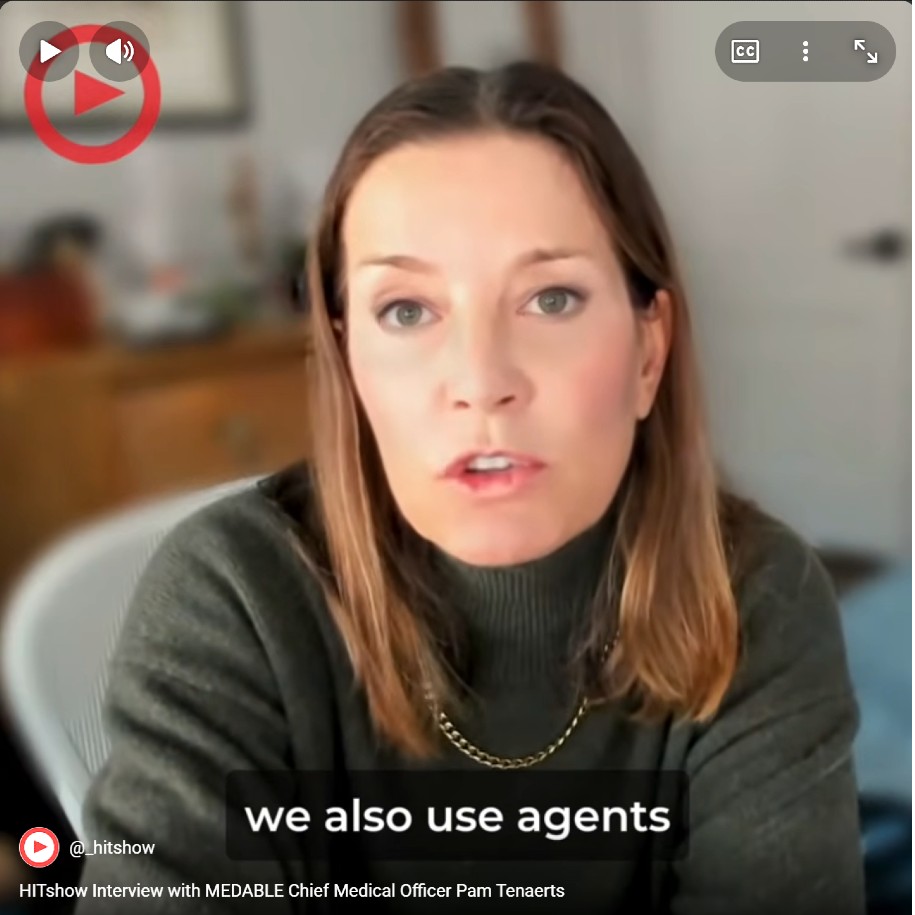
    Pam Tenaerts, Chief Medical Officer at Medable, says the opportunity for AI isn’t just to automate clinical research. It’s to remove the operational bottlenecks that slow trials down.

    Medable is combining decentralized trial technologies—which allow more of the trial to come to participants and research sites—with AI agents designed to help clinical trial teams work across fragmented systems.

    Consider the clinical trial monitor. Tenaerts says the average monitor may need to work across 13 different systems, repeatedly logging in and out, connecting information and preparing for site visits.

    🤖 Medable’s approach uses AI agents—including specialized sub-agents coordinated by what Tenaerts describes as a “super agent”—to do much of that preparatory work.

    The potential impact is substantial: reducing preparation for a site visit from days to hours.

    But Tenaerts says the real objective isn’t simply efficiency.

    “What we’re trying to do is eliminate that bottleneck, which eventually will mean better therapies to patients who need it.”

    💡 Why it matters: Every unnecessary delay inside a clinical trial can ultimately become a delay in getting an effective therapy to patients. If AI can safely compress the administrative and operational work surrounding clinical research, its value won’t just be measured in hours saved—it could be measured in how quickly new treatments reach the people waiting for them.

    ▶️ Watch the HITshow conversation with Pam Tenaerts, Chief Medical Officer at Medable.

    #HITshow #Medable #ClinicalTrials #ClinicalResearch #ArtificialIntelligence #AI #AIAgents #DecentralizedClinicalTrials #DigitalHealth #LifeSciences #HealthTech

  • CharmHealth Introduces Ria, AI Solutions Advisor, to Speed Up Health IT Evaluation for Provider Organizations

    CharmHealth Introduces Ria, AI Solutions Advisor, to Speed Up Health IT Evaluation for Provider Organizations

    Ria Provides On-Demand Product Demos and Answers Healthcare Teams’ Questions

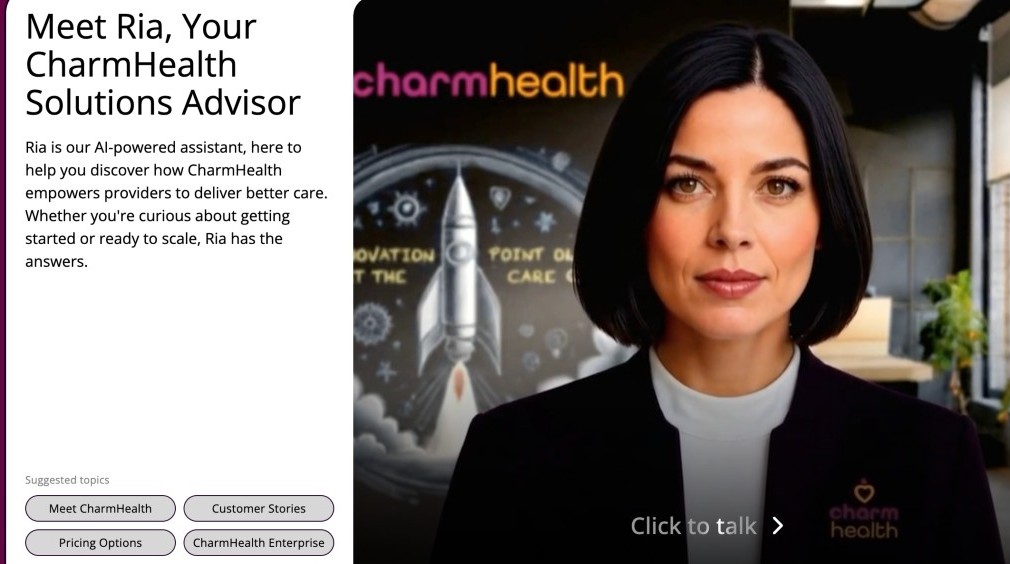
    CharmHealth has launched Ria, an AI solutions advisor that gives healthcare organizations on-demand assistance when evaluating and implementing the company’s technology.

    Ria is available through CharmHealth’s website and can respond to questions about products, pricing, billing and setup. Instead of waiting for a scheduled sales conversation, prospective customers can interact with the AI advisor immediately and explore the platform on their own schedule.

    The tool is designed to address a common challenge in healthcare technology purchasing: lengthy evaluation processes that can delay implementation and organizational improvements. By providing immediate answers, CharmHealth aims to make the early stages of technology adoption more efficient.

    Ria also extends into onboarding, where it works alongside CharmHealth’s implementation team to answer questions and guide users through the platform. This provides organizations with access to assistance between scheduled implementation sessions.

    “Better care shouldn’t be limited to when a meeting can be scheduled,” said Pramila Srinivasan, Ph.D., CEO of CharmHealth. “We are deploying tools, like Ria, that serve with the urgency and personalization the modern environment demands.”

    According to Venky Chellappa, vice president of strategy at CharmHealth, the company sees AI as a way to reduce complexity for healthcare leaders and improve the technology experience from the first interaction.

    Ria represents CharmHealth’s broader effort to incorporate AI into the technology purchasing and onboarding experience, giving healthcare organizations faster access to information and support.

  • MeAgain App Launches Real-World Insights & a Built-In Support Network for GLP-1 Users

    MeAgain App Launches Real-World Insights & a Built-In Support Network for GLP-1 Users

    New MeAgain features combine real-world food insights with expert guidance

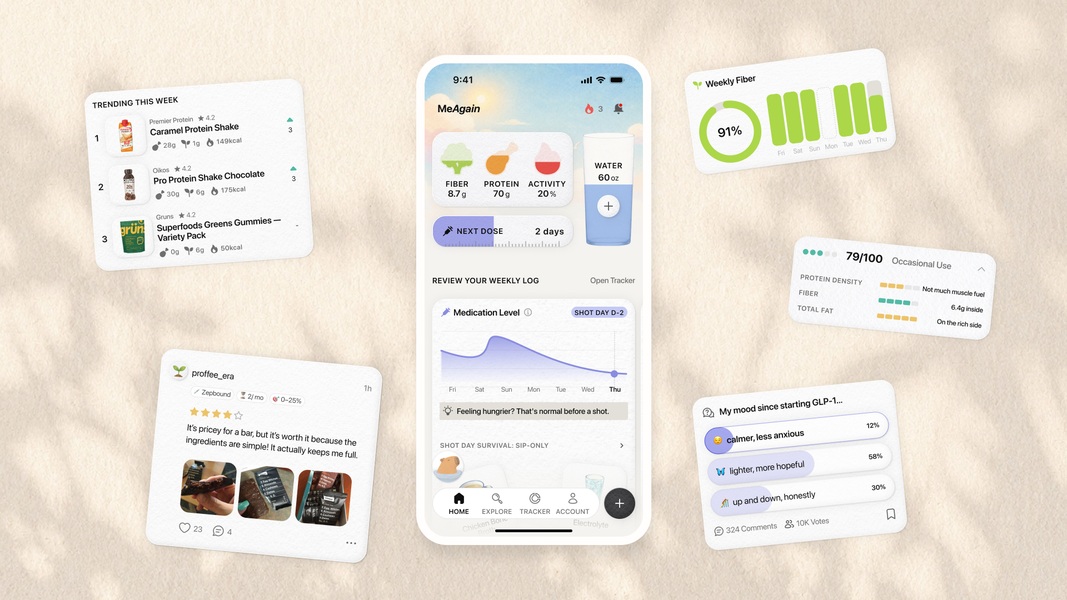
    MeAgain, a lifestyle support app for people taking GLP-1 medications, has launched a new version featuring aggregated food insights and a built-in community where users can share experiences and advice.

    The app, which has surpassed 500,000 downloads and has hundreds of thousands of monthly active users, uses data from user food logs to identify popular choices across categories including protein bars, supplements, electrolytes and fast food.

    New features include Popular Foods Lists, user ratings and reviews, community polls and dietitian recommendations. The combination gives users a way to compare real-world eating habits with expert nutrition guidance.

    MeAgain says the goal is to help users navigate changes in appetite and eating habits while building sustainable nutrition and lifestyle habits during GLP-1 treatment.

    The company recently added registered dietitian Erin Seprish as Nutrition Lead and obesity medicine expert Dr. Marsha Novick as Chief Medical Officer. Their expertise also supports the medical and nutrition guidance provided through MeAgain’s AI companion.

  • FDB and Tebra Launch AI-Powered Prescription Workflow

    FDB and Tebra Launch AI-Powered Prescription Workflow

    FDB and Tebra Bring Ambient AI to Prescription Workflows

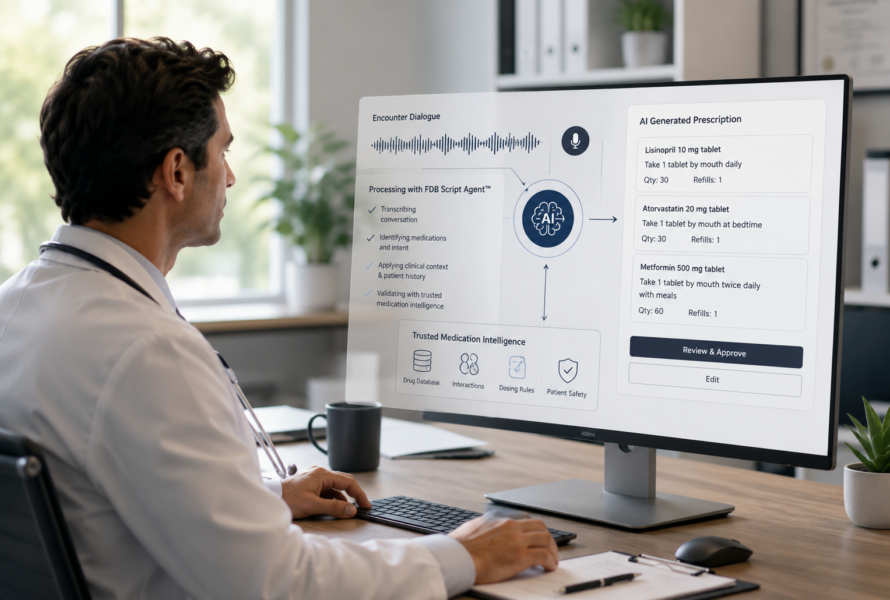
    FDB has announced the first commercial deployment of FDB Script Agent™, an AI prescribing agent that turns patient-visit conversations into structured prescriptions for clinician review.

    The technology is being deployed with Tebra, an all-in-one technology platform for independent healthcare practices, and is integrated into Tebra AI Note Assist.

    Script Agent extends ambient AI beyond clinical documentation by interpreting physician intent and assembling prescription details using FDB’s clinically validated medication intelligence. Clinicians can review, modify or approve prescriptions before they are sent.

    The approach is designed to reduce the administrative work associated with prescribing while keeping physicians in control of the final decision.

    For independent practices facing growing administrative demands, the integration aims to make prescribing more efficient without sacrificing clinical oversight.

    The deployment also supports FDB’s broader strategy for AI-powered prescription intelligence, with its cloud-native ePrescribing network, FDB Vela™, providing connectivity for the next steps in the medication process.

  • AArete Recognized Among Forbes’ World’s Best Management Consulting Firms for Fifth Consecutive Year

    AArete Recognized Among Forbes’ World’s Best Management Consulting Firms for Fifth Consecutive Year

    Consulting leader with deep healthcare payer expertise helps clients across a range of industries transform and innovate through data-driven, AI-powered solutions

    AArete has been named among Forbes’ World’s Best Management Consulting Firms 2026, marking the fifth consecutive year the global management and technology consulting firm has received the recognition.

    AArete was recognized in three areas: Digital Transformation, Data Analytics & Big Data, and Healthcare & Life Sciences. The rankings are based on feedback from clients and senior executives at consulting firms worldwide.

    The recognition follows AArete’s inclusion in Business Insider’s 2026 list of America’s Top Management Consulting Firms. The company combines consulting expertise with AI-powered solutions to help organizations improve profitability, modernize operations, and accelerate digital transformation.

    AArete has a particular focus on healthcare payers, working with U.S. health plans across Medicaid, Medicare, ACA Marketplace, and commercial markets to address total cost of care, affordability, and member experience.

    “AArete’s continued recognition reflects the trust our clients have placed in the firm,” said Pam Shipley, CEO of AArete. “It is an honor to work with a globally recognized team that has built its reputation on delivering results for clients.”

    Forbes developed its rankings with research firm Statista based on surveys covering multiple industries and consulting functions.

  • Henry Schein and Special Olympics Extend Healthcare Partnership Through 2030

    Henry Schein and Special Olympics Extend Healthcare Partnership Through 2030

    Henry Schein and Special Olympics expand efforts to improve healthcare access and reduce disparities for people with intellectual disabilities

    Access to quality healthcare can make a profound difference in a person’s life. Yet for many people with intellectual disabilities (ID), barriers to care remain a daily reality. According to Special Olympics, despite severe need and higher health risks, individuals with ID are often denied health services and have a life expectancy that is, on average, 16 years shorter than the general population.

    Henry Schein, Inc., the world’s largest provider of healthcare solutions to office-based dental and medical practitioners, and Special Olympics have extended their collaboration through 2030, reinforcing a shared commitment to expanding access to health screenings, education, and wellness resources for athletes at select Special Olympics events globally.

    Through this partnership, which began in 2018, Henry Schein donates essential oral health and medical care products for the Special Olympics Healthy Athletes® program. Since 1997, Healthy Athletes has delivered over two million free health screenings to Special Olympics athletes worldwide and trained more than 300,000 healthcare professionals and students to treat people with ID. It supports the physical and social-emotional well-being of people with ID, the reduction of health disparities, and can help to increase life expectancy. The partnership also empowers and encourages healthcare providers to volunteer their time and services while increasing their knowledge of best practices in caring for and communicating with people with ID.

    “Creating healthier communities requires collaboration and sustained commitment, principles that have been central to Henry Schein since our founding in 1932,” said Kyle Guerin, Director, Corporate Social Responsibility, Henry Schein Cares, at Henry Schein. “Extending our partnership with Special Olympics reflects our shared belief that every individual deserves the opportunity to achieve better health and well-being. We are proud to continue supporting programs that help expand access to care, foster inclusion, and equip healthcare professionals with the resources and experience to better serve people with intellectual disabilities.”

    Henry Schein’s donations are used during screenings in nine Healthy Athletes disciplines: Special Olympics Fit Feet (podiatry); Special Olympics FUNfitness (physical therapy); Special Olympics Health Promotion (preventative medicine); Special Olympics Healthy Hearing (audiology); Special Olympics Lions Clubs International Foundation Opening Eyes® (vision/eye health); Special Olympics MedFest® (sports physical exam); Special Olympics Special Smiles® (dentistry); and Special Olympics Strong Minds (mental health), in several countries including Germany and the United States. Beyond these disciplines, Henry Schein’s donations also support Special Olympics Healthy Young Athletes, the pediatric discipline of Healthy Athletes.

    Recently, the company donated a range of essential healthcare products for the 2026 Special Olympics USA Games that took place from 20 to 26 June 2026 in Minneapolis, Minnesota. The event united around 3,000 athletes, 1,500 coaches, 10,000 volunteers, and 75,000 fans from 50 U.S. states.

    “Long-term partnerships are essential to creating lasting change in health outcomes for people with intellectual disabilities,” said Dr. Dimitri Christakis, Special Olympics Chief Health Officer. “Henry Schein has been a valued partner in helping us reach athletes with critical health services, education, and support. Together, we are working toward a future where quality healthcare is accessible, inclusive, and responsive to the needs of every individual.”
  • Motive Expands Practicing Wisely as APPs and AHPs Take on Bigger Roles

    The healthcare performance platform now measures clinical decision-making across a broader care team

    Motive Medical Intelligence is expanding its Practicing Wisely platform to include advanced practice providers and allied health professionals, reflecting the increasingly important role these clinicians play in U.S. healthcare.

    The platform measures APPs and AHPs against evidence-based standards within their scope of practice, giving healthcare organizations a consistent view of clinical performance across physicians and non-physician clinicians.

    The expansion comes as the healthcare workforce shifts toward more team-based care. The NP workforce grew an average of 10% annually between 2019 and 2023, while NPs and PAs accounted for 25.6% of Medicare outpatient evaluation and management visits in 2019, up from 14% in 2013.

    Motive’s analysis found similar performance patterns among physicians, APPs and AHPs, including comparable levels of variation. The company says the findings support using a common, evidence-based framework to evaluate clinicians regardless of professional designation.

    “Where you see high-performing physicians, you tend to see high-performing APPs and AHPs,” said Julie Scherer, Ph.D., Chief Solutions Officer at Motive. “Measuring everyone, individually, who renders care—to a single, evidence-based standard—is how organizations can drive meaningful improvement at scale.”

    Practicing Wisely helps payers and providers identify variation and low-value care and target opportunities to improve quality while reducing unnecessary costs. Motive estimates that unnecessary and low-value services contribute to more than $400 billion in annual healthcare waste in the U.S.

  • Viome Acquires Circulate Health, Closing the Loop Between Early Diagnostics, Precision Nutrition, and Treatment

    Viome Acquires Circulate Health, Closing the Loop Between Early Diagnostics, Precision Nutrition, and Treatment

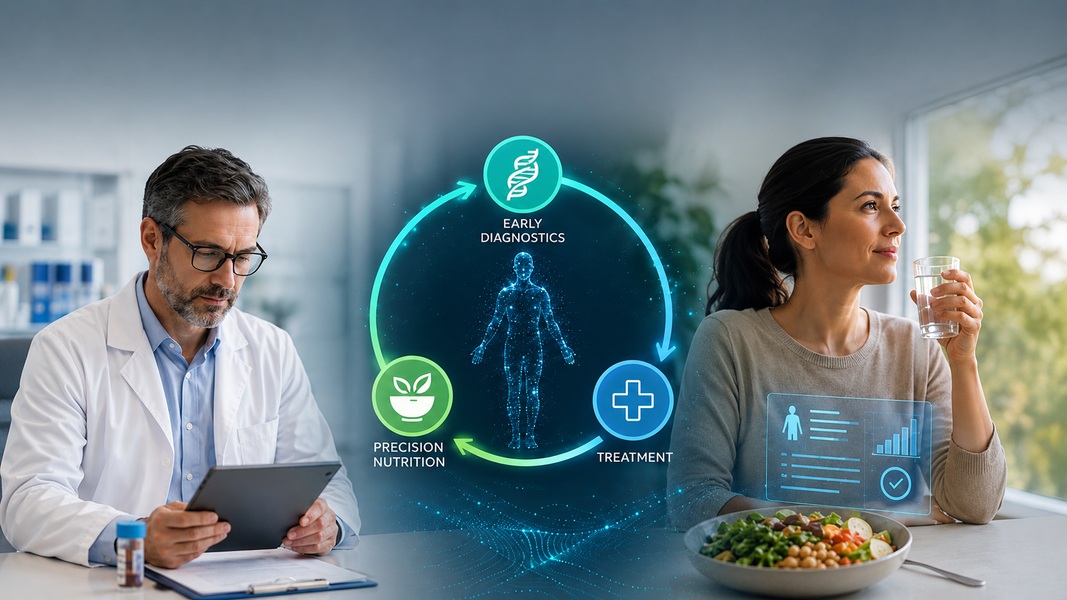
    Together, the companies give physicians one platform to measure biological insights, personalize care, and track outcomes across 200+ clinics.

    The acquisition moves Viome closer to its goal of creating a connected precision-longevity platform that links biological measurement with personalized intervention and longitudinal outcomes.

    “Acquiring Circulate is the latest step in giving patients not just answers, but precision intervention,” said Naveen Jain, founder of Viome.

    Circulate Health delivers TPE through partner clinics staffed by specially trained nurses. While TPE has been used in hospitals for decades to treat autoimmune and neurological conditions, Circulate has developed protocols applying the procedure to longevity and chronic disease care.

    Recent research has added to the company’s clinical focus. A 2026 Journal of Clinical Apheresis study reported measurable reductions in circulating microplastic particles following Circulate’s TPE procedure in patients with elevated baseline levels. A 2025 Aging Cell study reported an average 2.6-year reduction in biological age across a panel of molecular biomarkers.

    Dr. Brad Younggren, Circulate’s co-founder and CEO, will become president of Viome Professional, the company’s newly formed clinical group.

    “Precision plasma exchange alongside Viome’s molecular platform gives clinicians a broader, more credible way to practice longevity medicine today,” Younggren said.

    The combined platform is intended to help clinicians move beyond one-time testing by connecting diagnostics, personalized interventions, clinical delivery, and outcome measurement. Viome said the platform can expand as additional tests, therapies, and technologies become available.

    Founded in 2016, Viome develops molecular and AI-based technologies focused on the early detection and prevention of chronic disease, cancer, and aging.

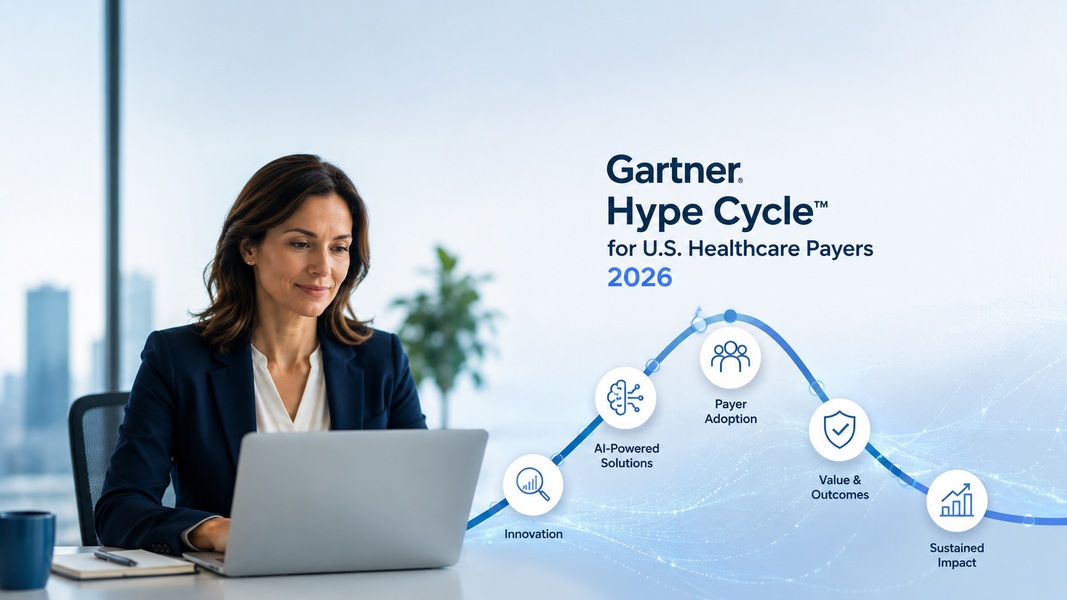
  • Cohere Health Recognized in 2026 Gartner® Hype Cycle™ for U.S. Healthcare Payers for Fifth Consecutive Year

    Cohere Health Recognized in 2026 Gartner® Hype Cycle™ for U.S. Healthcare Payers for Fifth Consecutive Year

    Gartner gives Intelligent Prior Authorization a “Transformational” rating as payers accelerate AI adoption

    Cohere Health has been recognized for a fifth consecutive year in the Gartner Hype Cycle for U.S. Healthcare Payers, 2026, for its work in Intelligent Prior Authorization (iPA).

    Gartner cited iPA’s ability to improve administrative efficiency for payers and providers while creating a more frictionless consumer experience. The technology received a “Transformational” Benefit Rating, reflecting its rapid maturation and potential to become a strategic differentiator for health plans.

    The recognition comes as payer organizations navigate regulatory requirements, rising administrative costs, provider friction, and increasing interest in generative and agentic AI. Gartner’s analysis also points to challenges including fragmented systems, limited clinical data integration, and technology silos.

    Cohere’s iPA platform combines clinician-trained AI with responsible AI frameworks and auditable decision logic. The company reports that its technology enables health plans to approve 85% of prior authorization requests in real time, reduce utilization management administrative costs by 47%, and increase payment integrity team efficiency by as much as 87%.

    Human oversight remains central to the model. Cohere says AI is not used to independently deny care, with requests that cannot be approved in real time referred to physicians for review.

    “This acknowledgment of iPA as ‘Transformational’ by Gartner reflects the measurable value payers are seeing from this technology today,” said Siva Namasivayam, co-founder and CEO of Cohere Health.

    Cohere has expanded its AI capabilities beyond prior authorization into payment integrity, claims, appeals, and quality, giving payer teams access to shared clinical context across operations.

    The company said its broader platform is designed to connect payer and provider decision-making across the care continuum while improving speed, cost, and quality of care.