
Phenomix Sciences Releases Survey Findings on Patient Awareness of Obesity Treatment Options
Report examines views on GLP-1 medications, alternative therapies, and the role of patient education in treatment decisions
Phenomix Sciences released findings from its “2026 State of Obesity Treatment Report: Progress, Gaps, and the Path to Personalized Care,” based on a national survey of U.S. patients with overweight or obesity who have been treated with GLP-1 medications.
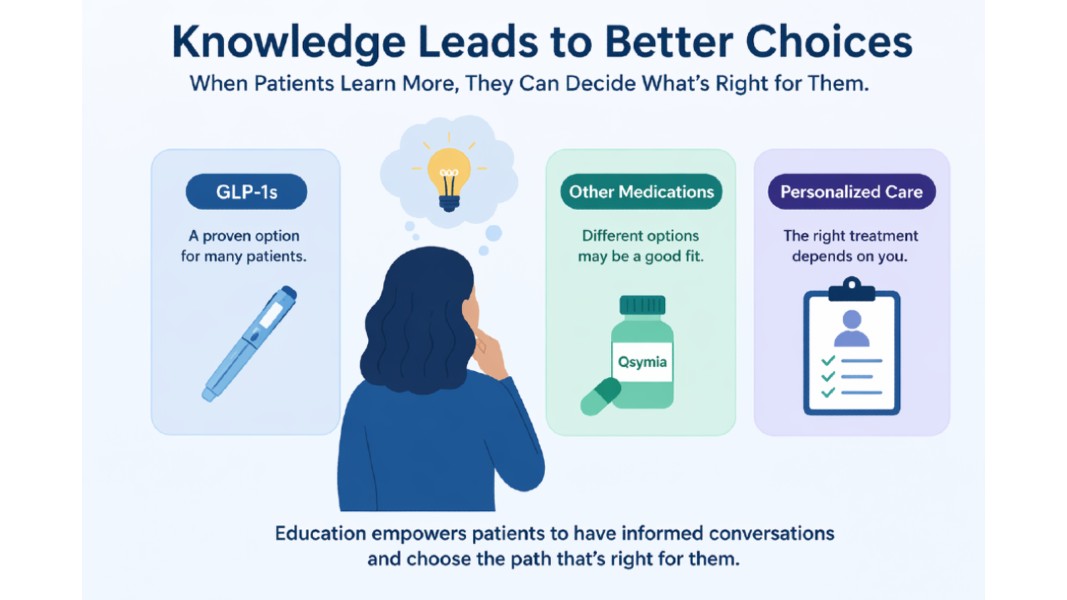
The report found that awareness of non-GLP-1 weight-loss treatment options remains limited among many respondents. It also found that after receiving information about other and emerging therapies, many participants said they were more open to considering a wider range of treatment options.
Among the findings, 57% of surveyed patients said they were either completely unaware of or unfamiliar with the details of non-GLP-1 weight-loss options such as Qsymia.
The survey also found that 68% of respondents changed their views on medications after learning about alternatives. Of those, 25% said they became more open to non-GLP-1 options, 25% said they would want to discuss all options with a healthcare provider, and 18% said they were less interested in GLP-1s.
Responses also indicated differing views on who GLP-1 medications are best suited for. According to the survey, 39% of respondents said GLP-1s should be available to anyone seeking weight loss, while another 39% said they should be prioritized for people with obesity and serious health risks. Smaller shares said they should be limited to patients with other medical conditions (13%) or used only as a last resort (7%).
The report also examined attitudes toward oral GLP-1 medications. It found that 42% of respondents said oral GLP-1s would make treatment feel more accessible, while 22% said they would be more open to learning about GLP-1s if oral options were available. Nearly 15% said oral formulations raised additional questions about side effects or effectiveness compared with injectable versions.
Mark Bagnall, CEO of Phenomix Sciences, said the findings reflect growing interest in more individualized obesity treatment decisions as new therapies become available.
The survey findings are part of the company’s broader 2026 report, which examines patient perceptions, treatment outcomes, education gaps, and care considerations related to GLP-1 use.