
Než se rozhodnete pro registraci, OnlineKasinaCesko nabízí užitečný pohled na podmínky výběru, test platformy a licence a důvěryhodnost; obsah je díky tomu užitečný pro nové i zkušené hráče. Security and fairness are the top priorities for online casino players. Mobile data usage and battery performance for casino apps are tested at NewMobileCasinos. Make the smart choice. Responsible Gambling ist ein zentrales Thema für die Regulierung von Online-Casinos in Deutschland: lizenzierte Betreiber sind verpflichtet, Werkzeuge wie Einzahlungslimits, Verlustlimits, Selbstausschlussoptionen und Verweise auf Beratungsstellen anzubieten. Die Registrierung in einem deutschen Online-Casino ist in der Regel unkompliziert und dauert nur wenige Minuten: nach Eingabe der persönlichen Daten, Bestätigung der E-Mail-Adresse und erfolgreicher Identitätsprüfung steht das vollständige Spielangebot zur Verfügung. Auszahlungsgeschwindigkeit in deutschen Online-Casinos variiert je nach gewählter Zahlungsmethode erheblich: während E-Wallets wie Skrill und Neteller oft binnen weniger Stunden Gewinne gutschreiben, können Banküberweisungen mehrere Werktage in Anspruch nehmen. Echtgeld-Slots in deutschen Online-Casinos bieten eine enorme Vielfalt an Themen, von klassischen Früchte-Automaten über mythologische Abenteuer und Filmlizenzen bis hin zu modernen Megaways-Systemen, die mit Tausenden von Gewinnmöglichkeiten pro Spin aufwarten. Die Auswahl der besten Online-Casinos in Deutschland erfordert eine sorgfältige Abwägung mehrerer Faktoren, darunter die Lizenzierung, das Spielangebot, die Qualität des Kundendienstes, die verfügbaren Zahlungsmethoden und die Fairness der Bonusbedingungen. Seriöse Online-Casinos in Deutschland veröffentlichen regelmäßig Prüfberichte unabhängiger Auditoren wie eCOGRA oder iTech Labs, die bestätigen, dass die Zufallszahlengeneratoren korrekt funktionieren und die angegebenen RTP-Werte den tatsächlichen Auszahlungsquoten entsprechen. Das Softwareangebot in einem deutschen Online-Casino ist ein direkter Indikator für die Qualität der Spielerfahrung: Plattformen, die mit renommierten Anbietern wie Evolution Gaming, Playtech oder IGT zusammenarbeiten, bieten garantiert ein hochwertiges und unterhaltsames Spielerlebnis. Die Blackjack-Varianten in deutschen Online-Casinos reichen vom klassischen European Blackjack über Multi-Hand-Versionen bis hin zu exotischen Regelvarianten wie Blackjack Switch und Perfect Pairs, die unterschiedliche strategische Herausforderungen bieten. Progressive Jackpots in deutschen Online-Casinos können Millionenbeträge erreichen und stellen für viele Spieler den größten Reiz dar: jede Wette auf einen verbundenen Automaten trägt zum wachsenden Jackpot bei, bis ein glücklicher Spieler den Gesamtbetrag gewinnt. Automaten-Bonusrunden in deutschen Online-Casinos können Freispiele, Multiplikatoren, Bonusspiele, Pick-me-Funktionen und progressive Jackpots umfassen: die Vielfalt der Bonus-Mechaniken trägt wesentlich zur Unterhaltungsqualität und zum Gewinnpotenzial der einzelnen Spiele bei. Das Angebot an Zahlungsmethoden in deutschen Online-Casinos ist in den letzten Jahren erheblich gewachsen und umfasst neben traditionellen Optionen wie SEPA-Überweisung und Kreditkarten auch E-Wallets, Prepaid-Karten, Kryptowährungen und Direktüberweisungen. Die Nutzung von Giropay als Zahlungsmethode in deutschen Online-Casinos bietet Spielern eine sichere und schnelle Möglichkeit, Einzahlungen über ihr Bankkonto vorzunehmen, ohne Kreditkartendaten oder E-Wallet-Konten anlegen zu müssen. Die SSL-Verschlüsselung schützt alle sensiblen Daten und Finanztransaktionen in deutschen Online-Casinos: seriöse Betreiber setzen standardmäßig auf 256-Bit-Verschlüsselung, die den höchsten verfügbaren Sicherheitsstandards der Finanzbranche entspricht. Die Evaluierung des Kundensupports eines deutschen Online-Casinos sollte folgende Aspekte umfassen: Erreichbarkeit rund um die Uhr, Reaktionszeiten im Live-Chat, Kompetenz der Mitarbeiter, Sprachkenntnisse in Deutsch und die Qualität der Lösungsangebote für Probleme. Die Lizenz eines deutschen Online-Casinos, ausgestellt von der Gemeinsamen Glücksspielbehörde der Länder oder einer internationalen Regulierungsbehörde, ist das wichtigste Qualitätsmerkmal und garantiert, dass der Betreiber strenge Standards in den Bereichen Fairness, Sicherheit und Spielerschutz erfüllt. Freispiele sind eine der beliebtesten Bonus-Varianten in deutschen Online-Casinos: sie ermöglichen es Spielern, ausgewählte Spielautomaten ohne eigenes Geld auszuprobieren und dabei echte Gewinne zu erzielen, die nach Erfüllung der Umsatzbedingungen ausgezahlt werden. Die Roulette-Strategie des Martingale-Systems ist bei deutschen Online-Spielern bekannt, sollte aber mit Bedacht eingesetzt werden: bei Tischen mit Einzahlungslimits kann die Strategie schnell scheitern, und das Risiko eines erheblichen Verlustes steigt mit jeder Verdoppelung. Weitere Informationen zu diesen Themen finden Sie auf beste blackjack online casinos, einer informativen Webseite mit aktuellen Inhalten und praktischen Ratschlägen.

Futbol derbilerine özel yüksek oranlar Bettilt bölümünde yer alıyor.

Her bahisçi için kritik unsur olan Bettilt altyapısı güvence sağlıyor.

Kumarhane heyecanını arayanlar için güvenilir bahis siteleri kategorisi vazgeçilmezdir.

Yüksek bahis limitleri ve geniş spor kategorileriyle kullanıcılarına bettilt giriş çeşitlilik sunan, her zevke uygun bir oyun deneyimi sağlar.

Bahis severler için geniş oyun yelpazesi sunan bahsegel eğlencenin merkezindedir.

Understanding Hospital Costs— New Tool Makes Data More Transparent and Accessible


Data will be critical to informing effective cost-containment policy options for states

Hospitals provide critical care for many consumers across the states. However, as health care spending continues to rise for consumers and payers—with the largest proportion of those expenditures on hospital services—states and other purchasers are seeking to better understand and address hospitals’ costs. Even with increased hospital transparency requirements, it is unclear how hospital prices relate to the expenses hospitals incur to provide services. The National Academy for State Health Policy (NASHP) in partnership with the Rice University Baker Institute for Public Policy and Mathematica Policy Research, with support from Arnold Ventures, has developed the Hospital Cost Tool (HCT) to help shed some light on this issue.

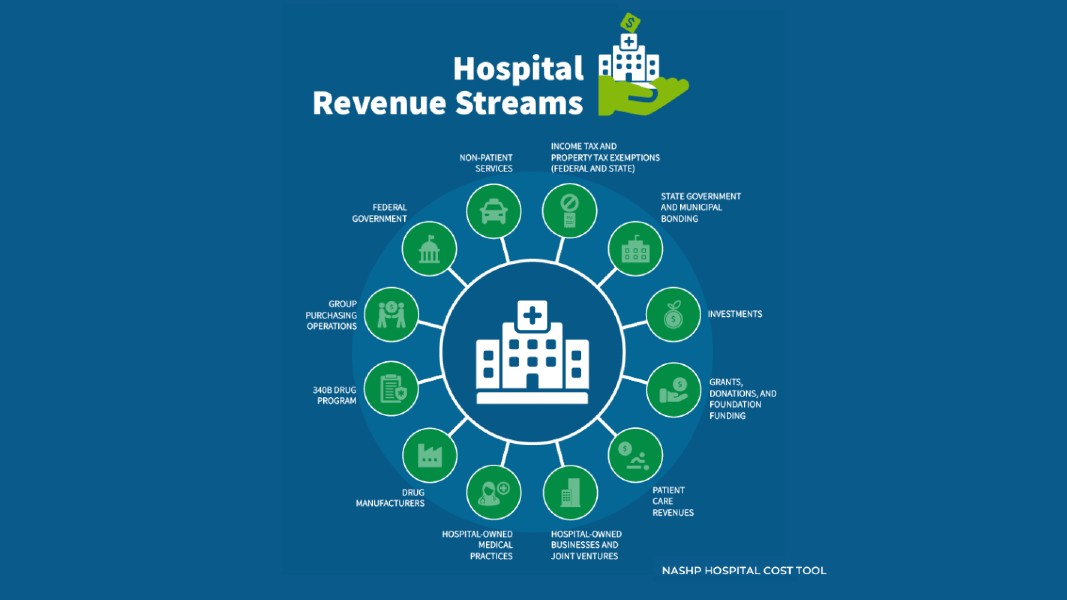
The HCT identifies different cost measures including hospital revenue, cost to charge ratios, and profitability across more than 4,600 hospitals nationwide from 2011 through 2019. It is interactive, allowing users to examine data for an individual hospital or specific health system, by state or users can compare data across hospitals and states. The tool is based on NASHP’s Hospital Cost Calculator that uses Medicare Cost Report data annually submitted to the federal government by hospitals. Data for 2020 will be added to the tool after more hospitals have completed their reports for that year.

“This new tool provides a view of publicly reported hospital data that isn’t otherwise available to policymakers and purchasers,” says Hemi Tewarson, NASHP’s Executive Director. “NASHP’s tool is an important resource for understanding costs of individual hospital and health systems—a critical first step to thoughtfully addressing rising health care costs.”

One notable metric within the HCT is hospitals’ breakeven point, which is the amount a commercial health plan would need to reimburse a hospital to cover its expenses. In calculating the breakeven, the tool accounts for a hospital’s operating costs, profit or loss from public coverage programs, charity care and uninsured patient hospital costs, Medicare disallowed costs, and a hospitals other income and expense. Purchasers of care, including states and employers, can compare the breakeven point to the data point showing what commercial payers pay. Depending on the hospital, the breakeven point and what commercial payers reimburse can be significantly different, indicating an opportunity to renegotiate payment rates.

“Understanding a hospitals’ breakeven point allows a purchaser like a state, an employer, or a health plan to negotiate a payment that offers an increase from the hospital’s costs rather than a discount from the hospital chargemaster, which is how most payment rate discussions start,” said Marilyn Bartlett, Senior Fellow at NASHP and former Administrator of the Montana State Employee Health Plan. Bartlett led the development of the HCT and conceptualized and used the breakeven calculations in Montana’s successful efforts to move its state employee plan to reference-based purchasing, saving millions of dollars.

Several employer purchasing coalitions have already begun using data from the HCT to help differentiate charges from costs to leverage the information in payment negotiations. A growing number of states are also using the data to develop strategies that address high costs in order to provide effective cost-containment policy options.

“Peak Health Alliance has used the NASHP hospital cost tool extensively and credits a good bit of the millions of dollars we have saved our members to the insight it provides. This tool helped us go from conceptually recognizing how important it is to understand a hospital’s finances to having practical hands-on knowledge that informs our negotiations and ensures a fair and reasonable agreement. It has really leveled the playing field between Peak and our hospitals,” said Claire V. S. Brockbank, Chief Executive Officer of Colorado’s Peak Alliance.

Jane Beyer, Senior Policy Advisor in the Office of the Washington Insurance Commissioner and the Chair of NASHP’s State Academy said, “Addressing rising health costs is necessary but is complicated and one-size does not fit all. States with urban centers and vast rural areas; with large health systems and small to mid-sized independent hospitals, need individualized hospital financial information to develop and implement data-driven policies. NASHP’s tool that allows examination of multiple variables by hospital bed size or of hospitals in one health system that cross multiple states, is critical to designing meaningful policies.”


Similar Posts